Waste to Resource Hub

Turning plastic waste into building blocks for change in the Philippines
Background

The Waste to Resource Hub tackles plastic pollution while creating jobs and sustainable construction materials. Focused on upcycling difficult-to-recycle plastics, like single-use sachets, the Hub converts waste into durable eco bricks and pavers. This social business model provides an innovative solution to two urgent challenges: plastic waste management and lack of access to affordable, sustainable building materials.

The challenge

Plastic pollution, especially from low-value plastics like sachets, is a growing crisis in the Philippines with 163 million sachets used daily, clogging waterways and damaging ecosystems. These materials are rarely recycled due to their low commercial value and the high cost of processing. At the same time, many communities lack access to low-cost, durable, and eco-friendly construction materials for housing, schools, and community infrastructure.
  • High levels of plastic waste
  • Limited recycling technology
  • Minimal household waste management

.

The solution

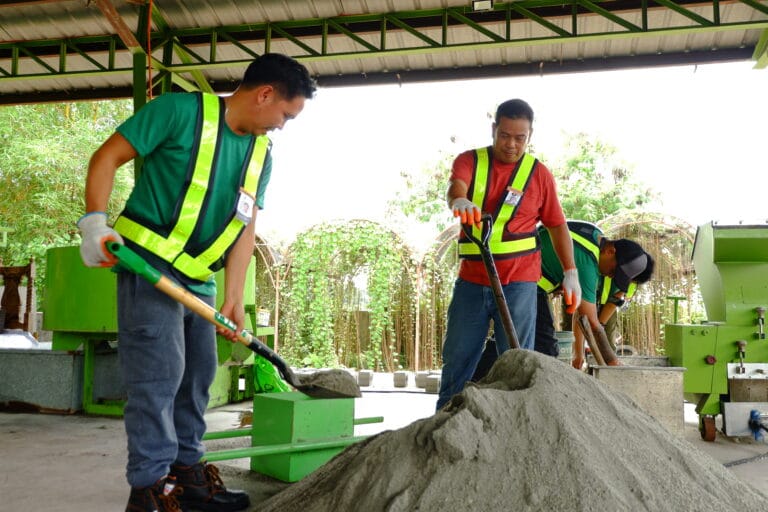
With technology partner GA Nexus, the Waste to Resource Hub model collects plastic waste, particularly single-use sachets, and transforms it into strong, affordable eco bricks and construction materials. The Hub engages local waste collectors and communities to source raw materials, creating a local circular economy. It provides training and employment for workers involved in production and waste recovery. The eco bricks can be used to build community infrastructure such as schools and training centres, creating visible, lasting impact. Profits are reinvested to expand operations and scale impact.
  • Plastic recycled
  • Promotes green construction
  • Training and employment opportunities

Impact highlights

Waste to Resource Hub established.
of plastic removed from the environment each year.
eco bricks produced each year.
people trained and employed.

Why this matters

  • Tackles two issues at once: Reduces plastic pollution while supporting green construction.
  • Scalable and sustainable: Can be replicated in other plastic-affected regions..
  • Socially inclusive: Creates jobs for marginalised communities, especially in waste collection and production.
  • Tangible outcomes: Eco bricks create lasting community infrastructure with social and environmental impact.

Supports these UN Sustainable Development Goals

Support this work


The model in practice

Meet some of the entrepreneurs putting this model into practice. These case studies showcase real-world success, resilience, and the positive ripple effect of sustainable social impact.