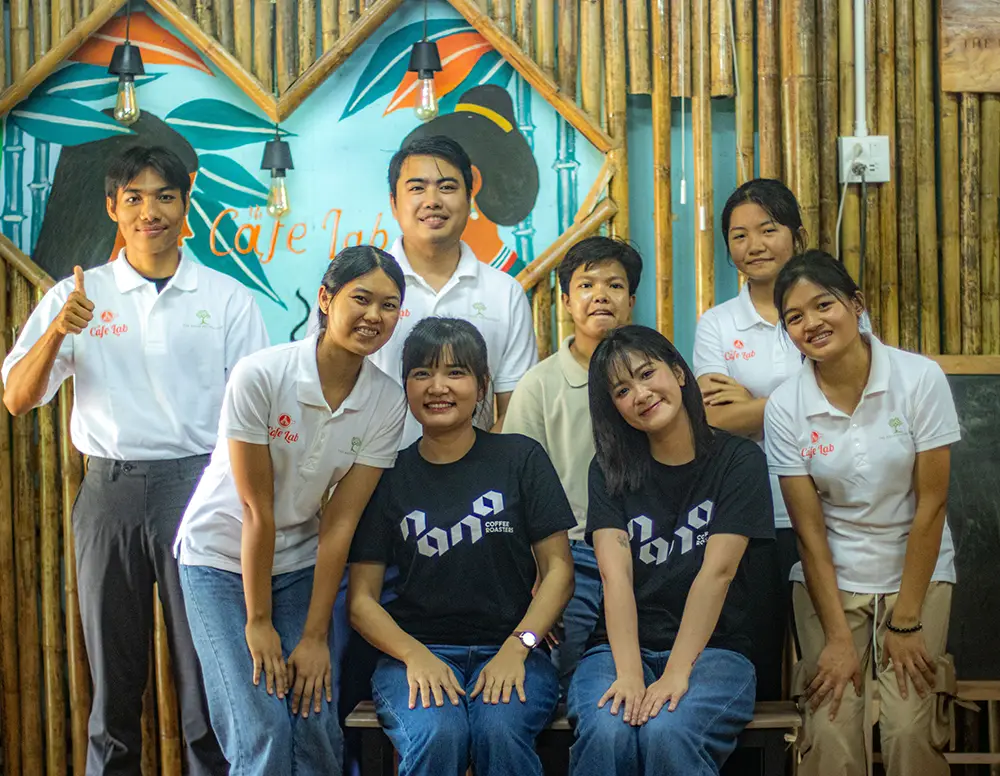
FED Café Lab
Empowering migrant youth through school-based vocational trainingThe Khan Foundation Implementing partners:
Foundation for Education and Development
Location:
Khuk Khak, Takua Pa, Thailand
Project duration:
Ongoing since 2024
Sustainable Development Goals:
4, 8, 10
Background
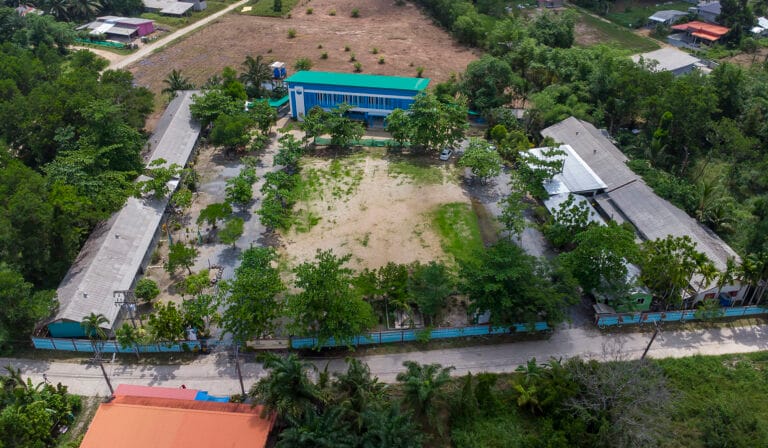
The Foundation for Education and Development (FED) works with migrant communities along the Thai–Myanmar border who face barriers to education and work opportunities. Under their Education program they run several migrant learning centres which provide essential education for migrant students, the biggest of which is the Unified Learning Centre (ULC).
The challenge
Migrant students in southern Thailand face major barriers to employment after completing basic education. Without Thai citizenship or formal qualifications recognised by local employers, many are restricted to low-paid, informal labour. Limited access to vocational training and work experience further compounds their vulnerability, leaving them with few pathways to stable, safe, and dignified employment.
Our approach
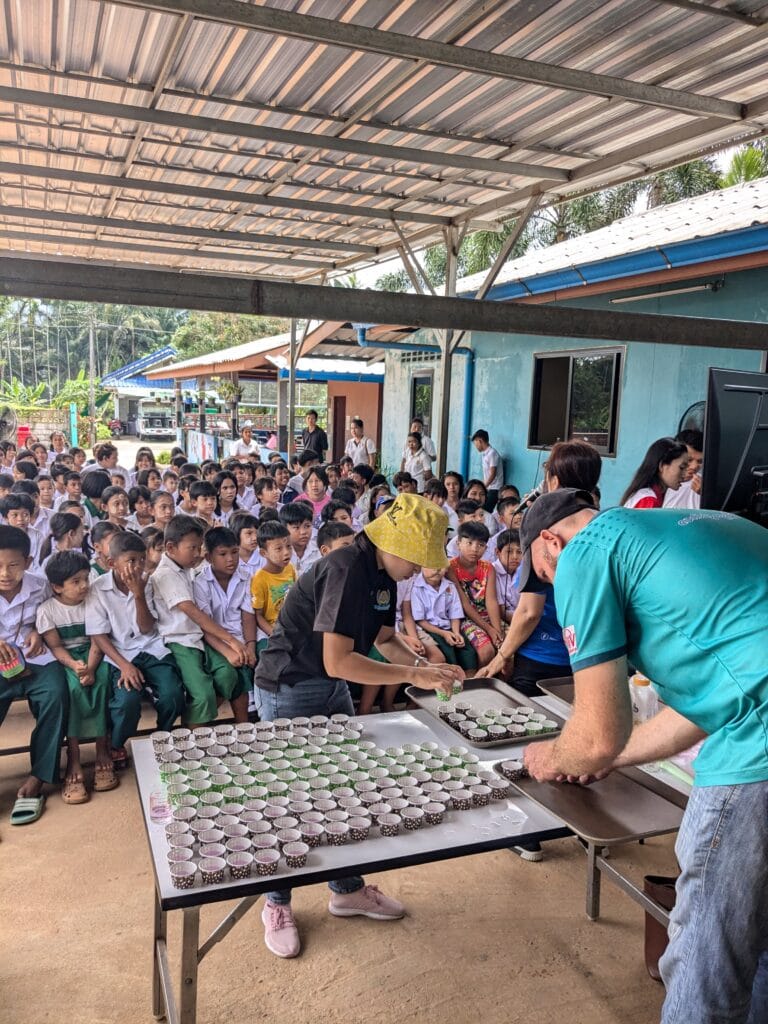
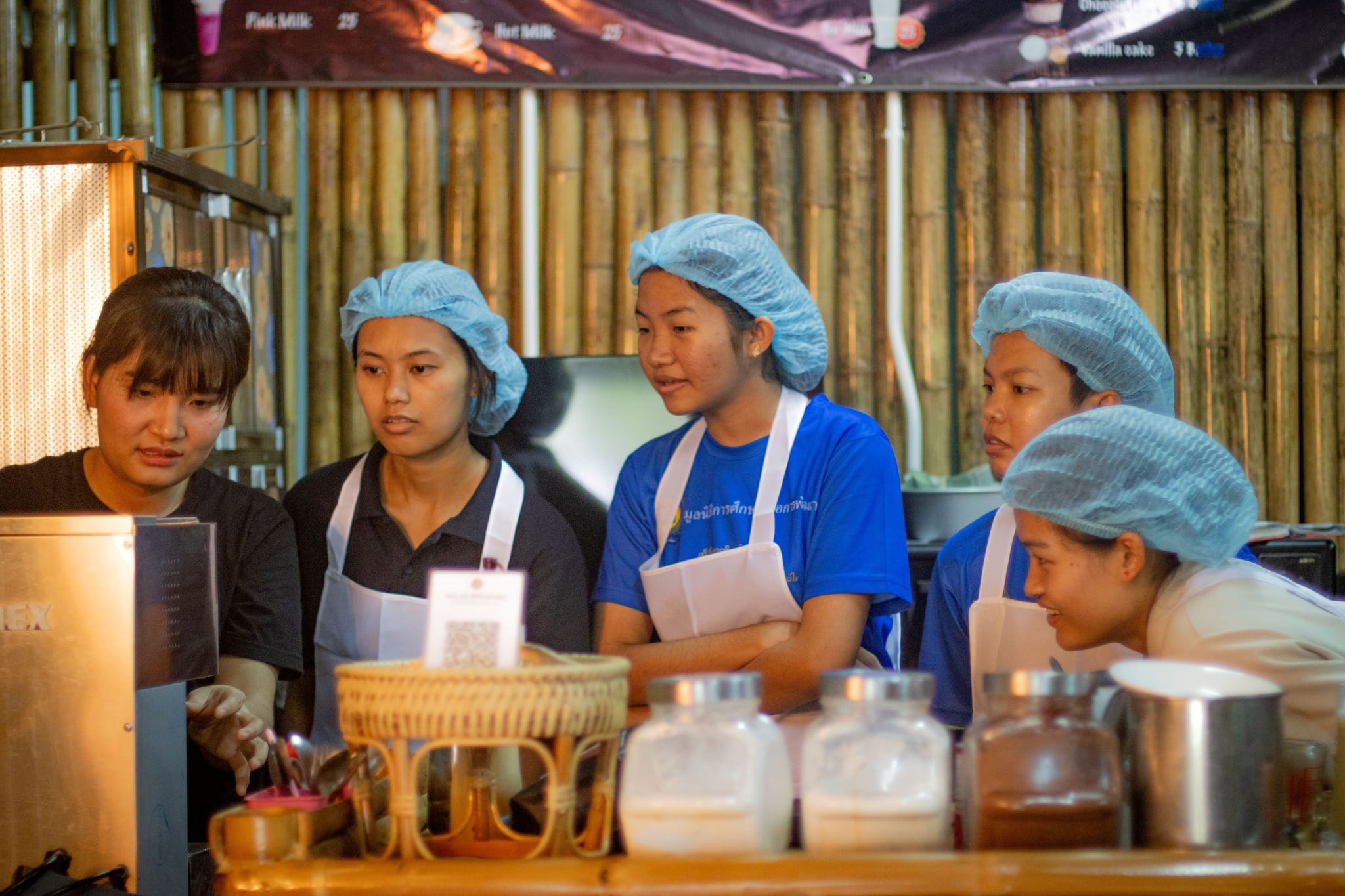
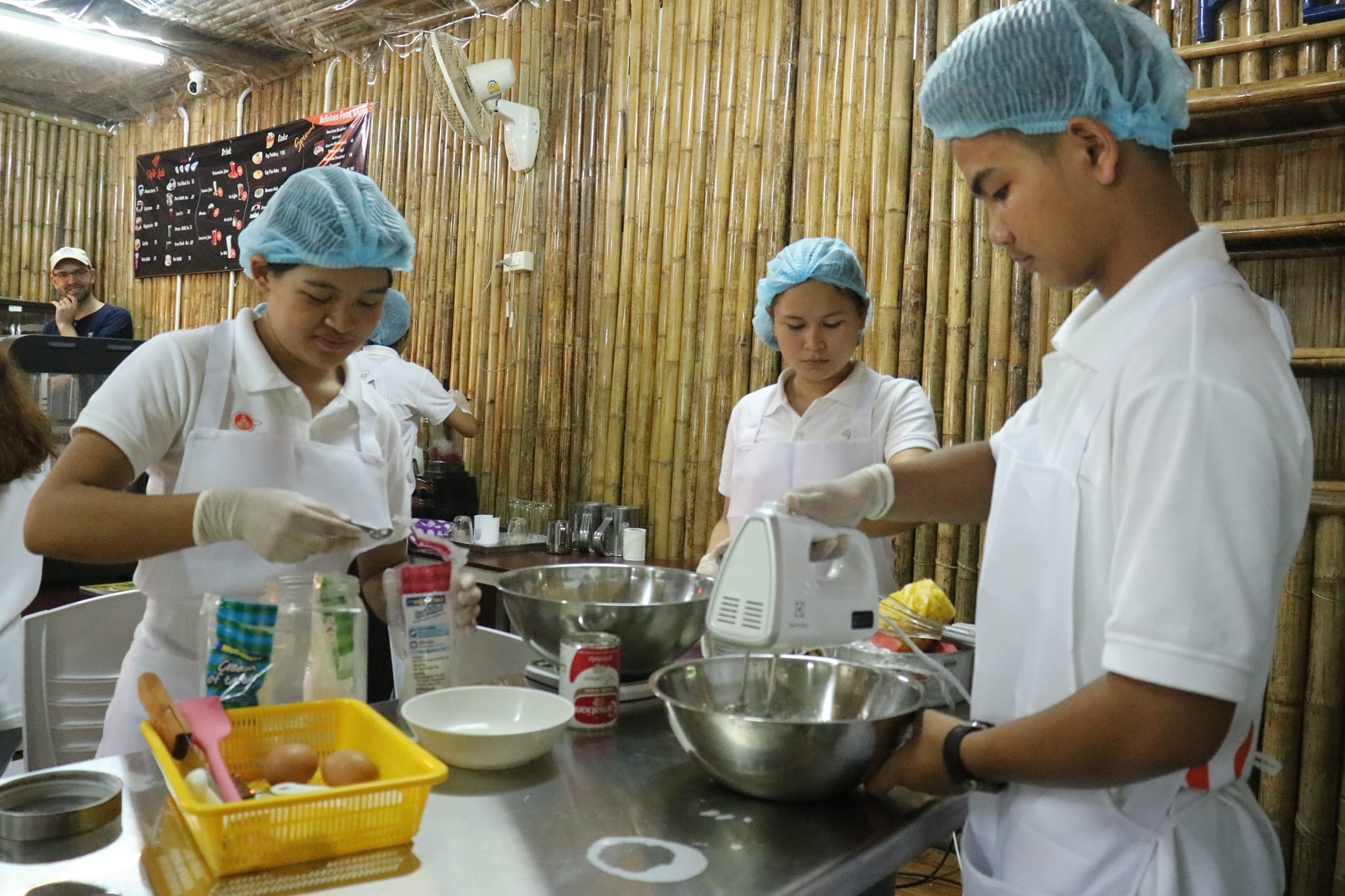
The FED Café Lab was established in the ULC to provide hands-on vocational and entrepreneurial training for migrant students, enhancing their employability and confidence. The Café Lab serves as both a learning platform and a sustainable enterprise generating income to support school operations and other educational programs. It also contributes to student wellbeing by producing healthy, affordable snacks and meals, improving overall nutrition within the school community.
Impact
47
students trained per year
74
training sessions
500
students with access to healthy snacks
Sustainability
Cafe Lab is able to sustain operations through sales.
Lessons learnt
Building practical, school-based enterprises can create strong engagement and motivation among students. However, ongoing mentoring and business support are essential to maintain quality, financial sustainability, and consistent learning outcomes. Collaboration between educators and business mentors will be key to ensuring that vocational training remains both relevant and impactful for migrant youth.
–
Tailored advisory services to help donors, families and companies maximise their social impact.