Green microfinance

Empowering low-income communities through inclusive microfinance and a transition to sustainable livelihoods

Background

In 2014, Dana Asia and its partners established the now Grameen Pilipinas Microfinance Inc. (GPMI), a registered non-profit microfinance institution that provides financial services to underserved populations in the Philippines.

Through our partnership with GPMI, we support the development and delivery of inclusive loan products that enable low-income individuals, especially women, to build small businesses, support their families, and improve their long-term resilience.

Transitioning towards green microfinance

Responding to the need to advocate for the environment in the face of climate change, we are jointly developing and implementing green microfinance loan products that support small-scale, environmentally responsible businesses, helping low-income women entrepreneurs build sustainable livelihoods while protecting the planet.

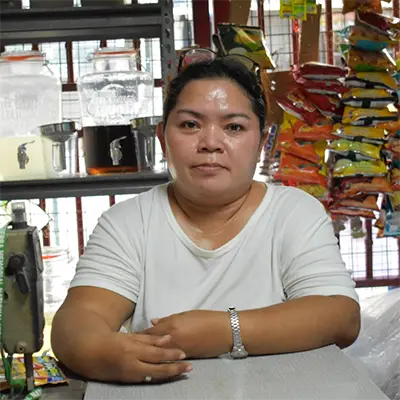
  • Eco sari-sari store loans: Small loans to help local shop owners shift to zero-waste, refill-based retail. It supports both livelihoods and environmental sustainability by reducing plastic waste and increasing profit margins.
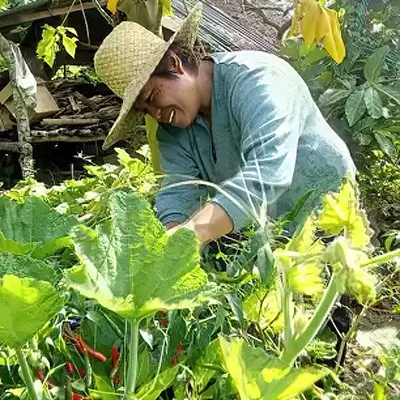
  • Eco agri loans: Eco‑friendly, climate‑smart loans coupled with training on sustainable agricultural practices. It enables smallholder farmers to transition to more sustainable methods to improve yields, resilience, and profits while reducing environmental impact.

The challenge

In many parts of the Philippines, access to formal financial services is limited. For low-income households, particularly women, lack of capital can prevent the pursuit of productive livelihoods, force reliance on informal lenders, and reinforce cycles of poverty. Traditional microfinance rarely incorporates environmental sustainability, leaving a gap in support for eco-friendly enterprises. At the same time, climate change and environmental degradation disproportionately impact the poor, undermining their long-term economic resilience and community wellbeing.
  • Limited access for marginalised groups
  • Businesses can be damaging to the environment
  • Minimal support mechanisms

.

The solution

Microfinance solutions should go beyond credit. Specially-designed loan products, with the environment in mind, are tailored to the specific needs of microentrepreneurs, with embedded support systems such as training, mentoring, and social impact tracking. All loans are coupled with financial literacy training, coaching, and monitoring to maximise impact and ensure responsible lending.
  • Eco-friendly business design
  • Tailored training
  • Supporting the most marginalised

Impact highlights

 in microfinance funds since inception.
loans made since inception.
women-owned microbusinesses.
green microbusinesses funded.

Why this matters

  • High-impact at low cost: Small loans generate real economic, social, and environmental value.
  • Scalable and replicable: Products can be adapted and scaled to more locations and green enterprise types.
  • Inclusive: Prioritises marginalised groups, especially women in rural and urban poor communities.
  • Sustainable: Repaid loans fund new clients, creating a cycle of impact.

Supports these UN Sustainable Development Goals

Support this work


The model in practice

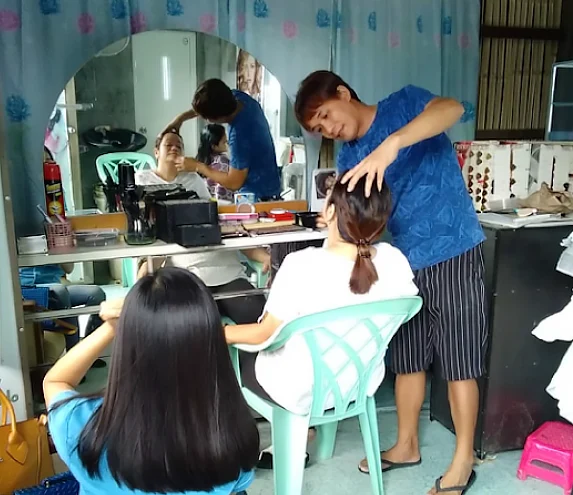
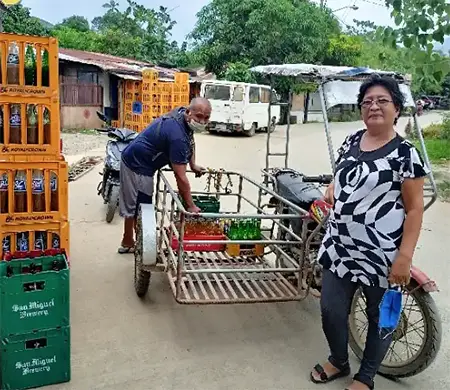
Meet some of the entrepreneurs whose businesses have been transformed with the help of micrfinance. These case studies showcase real-world success, resilience, and the positive ripple effect of sustainable social impact.